TOURS IN THAILAND
Embark on an extraordinary journey through Thailand, where every corner offers a captivating blend of natural splendor, cultural heritage, and modern comforts. Our tailor-made experiences guide you through Thailand’s most spectacular destinations, ensuring a personalized and seamless adventure from start to finish.
A beloved destination for travelers worldwide, Thailand effortlessly showcases the essence of Southeast Asia. Vibrant Bangkok is a testament to this contrast, marrying time-honored traditions with contemporary city life. Head north for treks into misty mountain realms dotted with ethnic hill tribe communities, or venture south for sun-kissed beach escapes and serene island getaways. You’ll quickly discover that Thailand caters to all tastes: whether you crave exhilarating hikes, sumptuous cuisine, interactions with friendly locals, or tranquil days in lavish private resorts, Thailand never disappoints.
Below are some highlights that bring Thailand’s diverse allure to life:
-
Cruise the Andaman Sea
Sail through the turquoise waters of Thailand’s renowned marine parks, such as the Similan and Surin Islands, known for pristine beaches, vibrant coral reefs, and world-class snorkeling or diving spots. -
Dive with Marine Giants
Off Koh Tao, an iconic diving hub, you can spot whale sharks while savoring the laid-back island atmosphere. Unwind in a luxurious villa perched high above the sea. -
Island Hopping Odyssey
Discover secluded beaches and dramatic karst formations. Delve into untouched corners in the south, where island-hopping reveals authentic local traditions and breathtaking panoramas. -
Northern Kingdoms and Culture
Uncover remnants of ancient civilizations up north and engage with the region’s colorful hill tribes. Enjoy adventurous activities, traditional cooking sessions, and wellness retreats amid lush jungle landscapes. -
Elephant Care Programs
Spend quality time with conservation teams dedicated to safeguarding Thailand’s gentle giants. Learn firsthand about responsible animal tourism and the crucial work done to protect these magnificent creatures. -
Thai Culinary Immersion
Dive into the nation’s flavorful dishes through cooking classes or curated foodie tours, exploring the staples of Thai cuisine and tasting your way through bustling markets and contemporary kitchens. -
Wellness and Rejuvenation
Treat yourself to holistic therapies, massage treatments, and serene yoga classes. Thailand is renowned for its wellness offerings, ranging from specialized detox programs to luxurious spa experiences.
Every journey here is a testament to Thailand’s vibrant character, offering both indulgence and authenticity in equal measure. Let us craft a bespoke itinerary that highlights the very best of this enchanting land—tailored to your interests, pace, and sense of adventure.
Wonderful Thailand Journeys
Find the beauty in our journeys
Fantastic Destinations
Bangkok
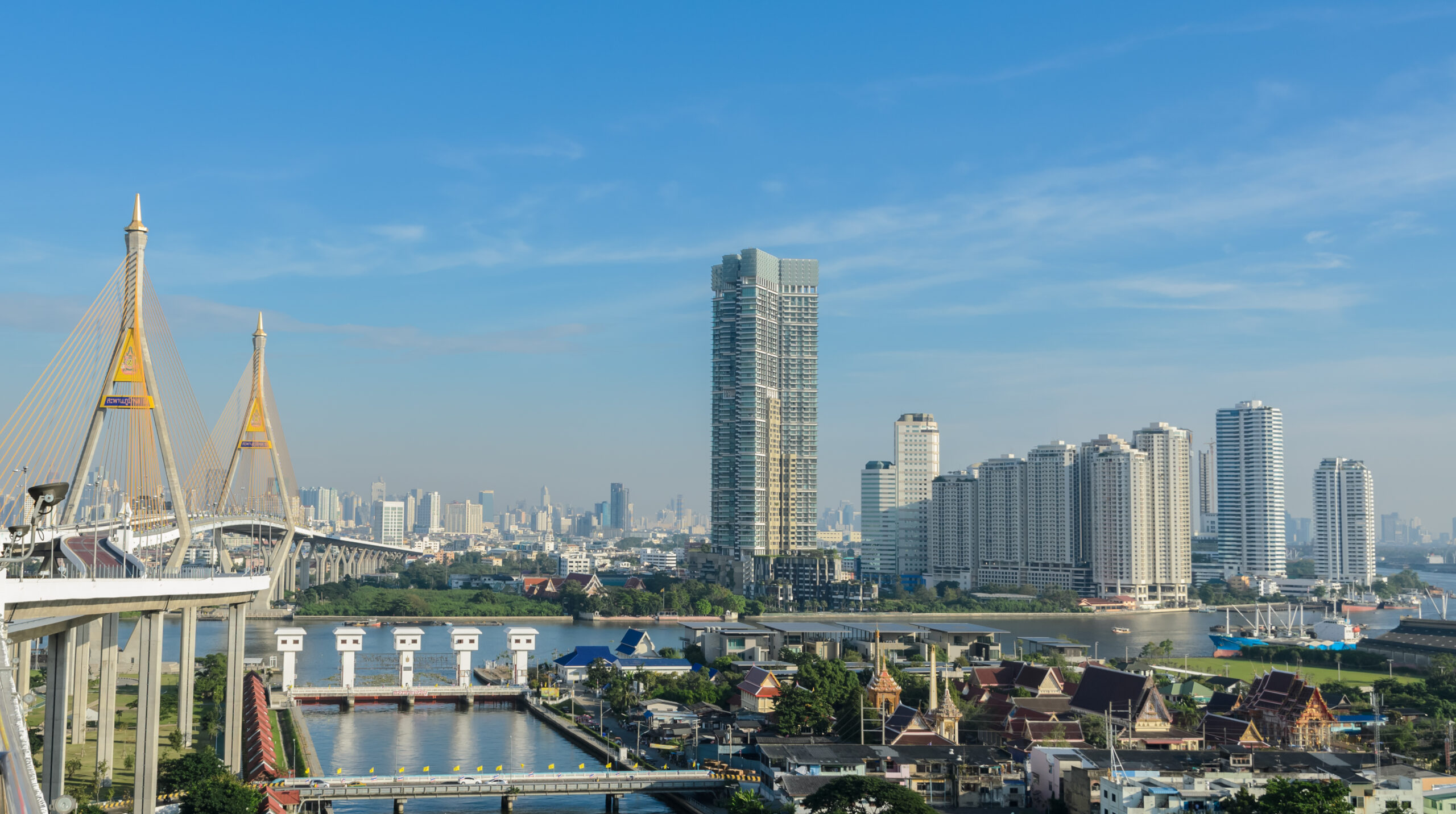
Thailand’s vibrant capital is a sprawling metropolis that perfectly balances the old and the new. On one hand, you can explore gilded temples like Wat Pho and the Grand Palace, each brimming with centuries of cultural heritage. On the other, you’ll find modern skyscrapers, rooftop bars, and high-end shopping malls reflecting the city’s contemporary flair. Bangkok’s famous street food is a culinary adventure in itself—head to Yaowarat (Chinatown) or Bang Rak for sizzling woks and fragrant spices. Tuk-tuk rides provide an exciting way to traverse the chaotic streets, and nighttime river cruises on the Chao Phraya allow you to witness the city’s skyline under twinkling lights. Despite being fast-paced and crowded, Bangkok’s charm lies in its contrasts—where ancient traditions and cutting-edge lifestyles exist side by side.
Chiang Mai
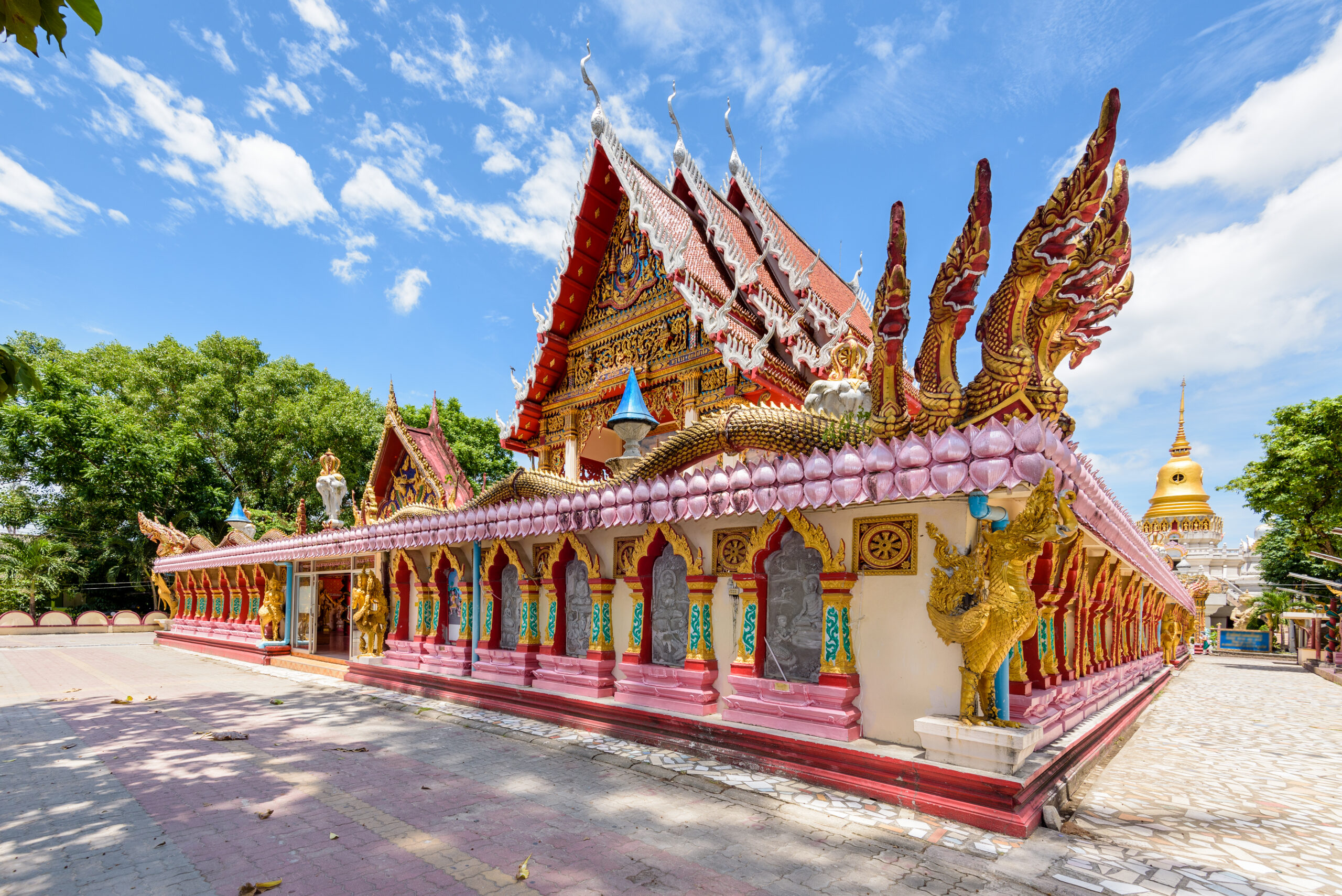
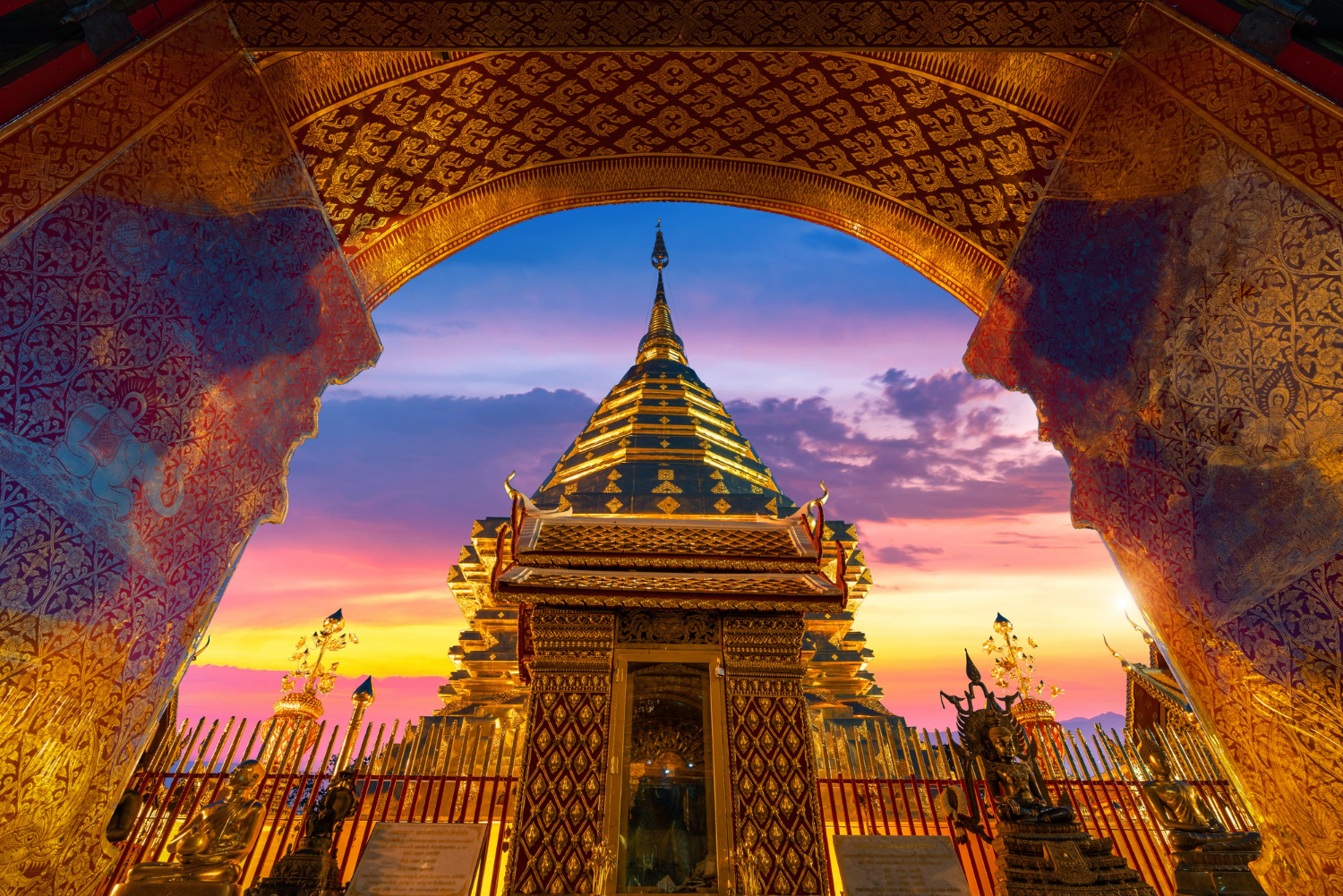
Often called the “Rose of the North,” Chiang Mai is treasured for its relaxed vibe and deep-rooted Lanna culture. The city’s historic center is surrounded by centuries-old walls, and inside you’ll discover more than 300 temples, including the majestic Wat Phra Singh and Wat Chedi Luang. Chiang Mai’s famous Night Bazaar and weekend walking streets brim with handicrafts, street performers, and local delicacies. Beyond city limits, visitors can explore lush mountain landscapes dotted with waterfalls, hill tribe villages, and elephant sanctuaries committed to ethical tourism. The region is also known for its café culture and wellness retreats, making it a favorite among digital nomads and travelers seeking a slower pace. With its fusion of heritage, culinary diversity, and natural wonders, Chiang Mai provides an enchanting experience that keeps people coming back.
Phuket
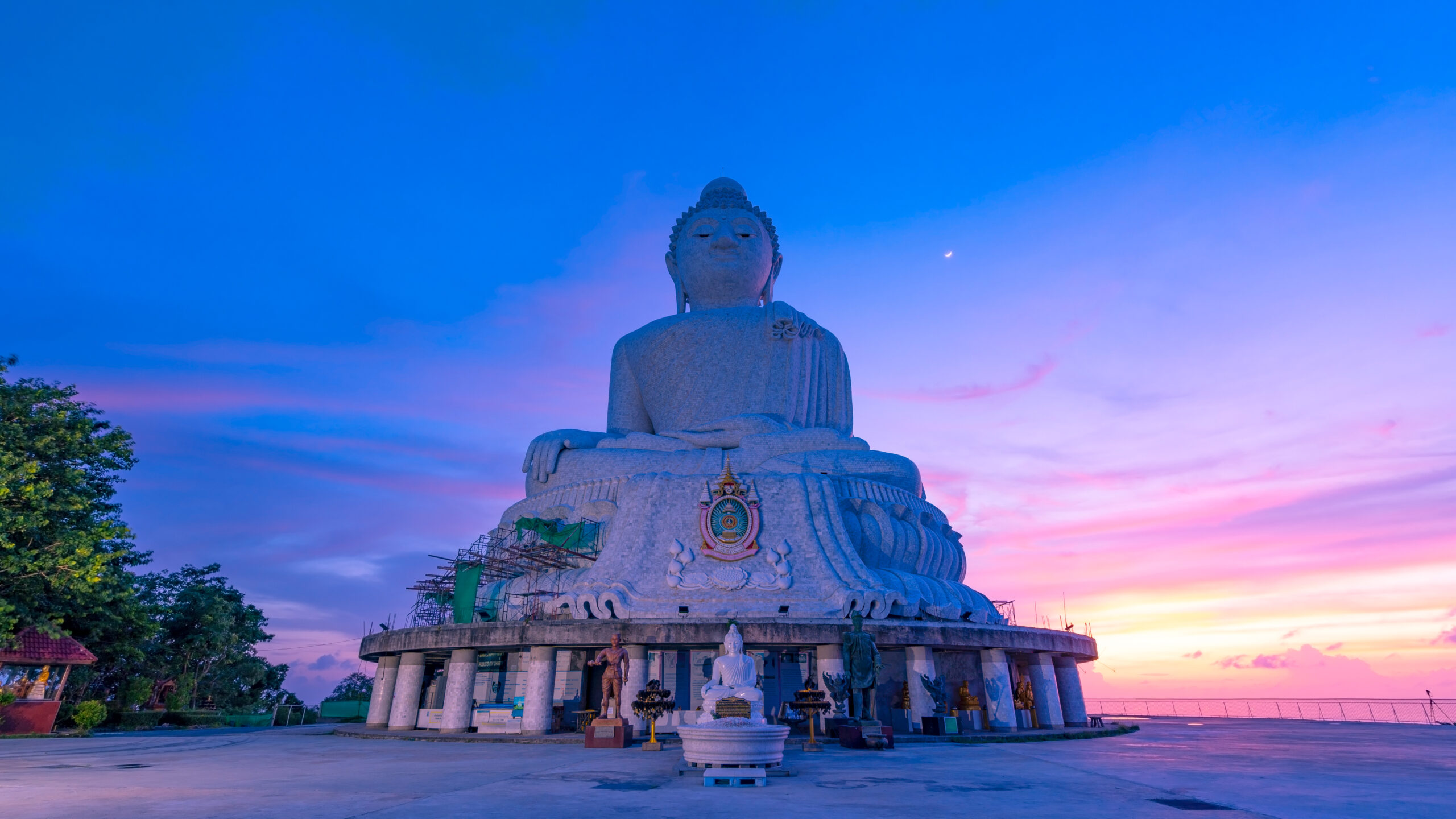
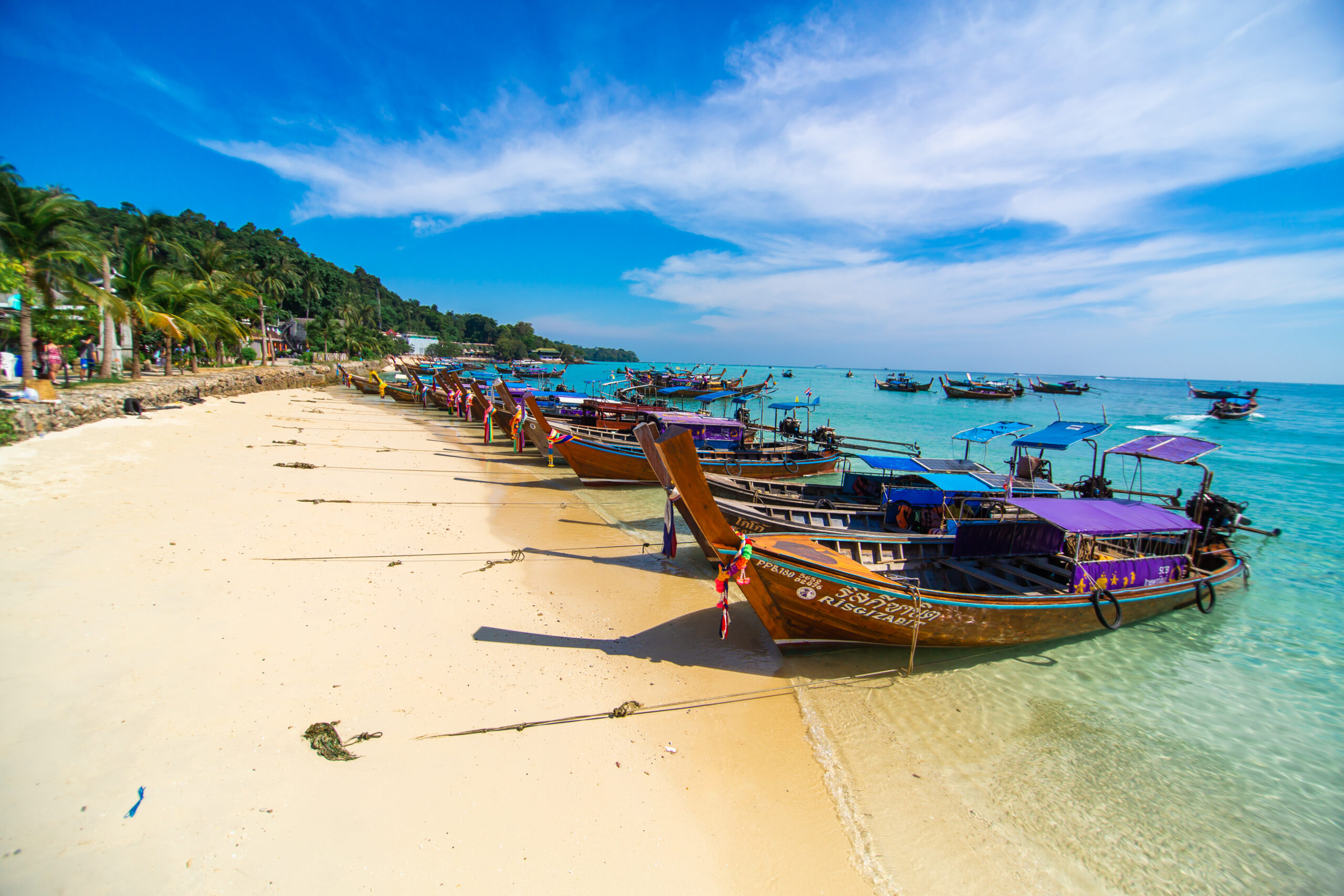
Thailand’s largest island is a magnet for beach lovers and sun-seekers, offering soft sand beaches lapped by turquoise waters. Patong Beach bursts with energy—think neon-lit nightlife, open-air bars, and bustling markets—while quieter bays like Kata or Kamala provide a more laid-back environment. Beyond the coast, Phuket Town reveals Sino-Portuguese architecture, hip cafés, and colorful street art that speak to the island’s multicultural history. You can also head up to the Big Buddha on Nakkerd Hill for panoramic views spanning the Andaman Sea. Whether you’re a foodie looking to taste fresh seafood or an adventure seeker wanting to try snorkeling, diving, or island-hopping to nearby gems like the Phi Phi Islands, Phuket offers a dynamic blend of relaxation and excitement.
Pattaya
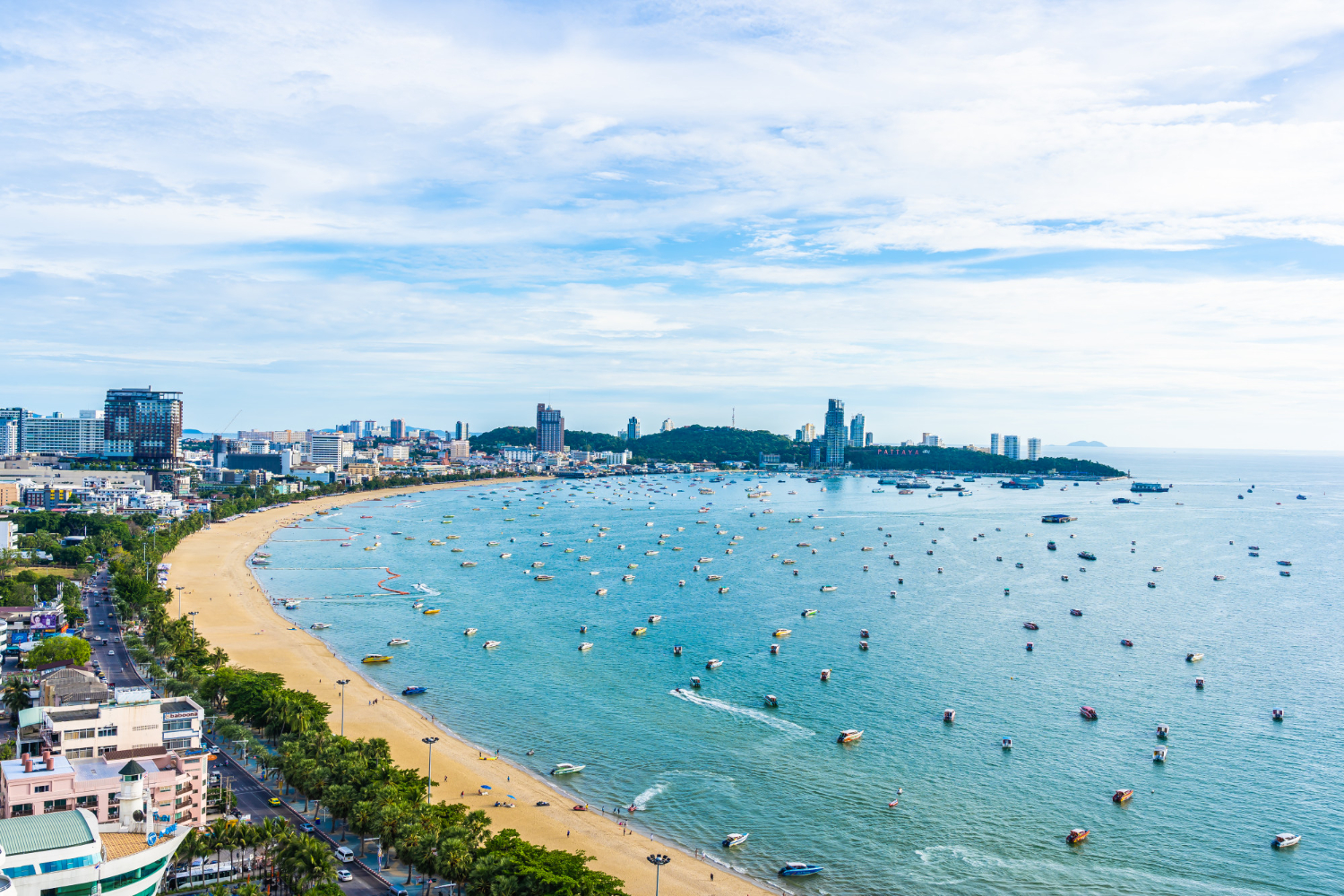
Pattaya has evolved from a modest fishing village to a major seaside city known for its energetic nightlife, watersports, and diverse entertainment. While the neon lights and beach clubs along Walking Street are part of its identity, Pattaya also has a more family-friendly side. Visitors can spend days at Cartoon Network Amazone Waterpark or explore the cultural marvel of the Sanctuary of Truth—a massive wooden structure intricately carved without using a single metal nail. Small offshore islands like Koh Larn offer crystal-clear waters and quieter sands, just a short ferry ride away. With shopping malls, international eateries, and year-round events, Pattaya’s fast-paced atmosphere may not be for everyone, but it remains a key fixture on Thailand’s tourist map, offering activities to please different tastes and age groups.
Krabi
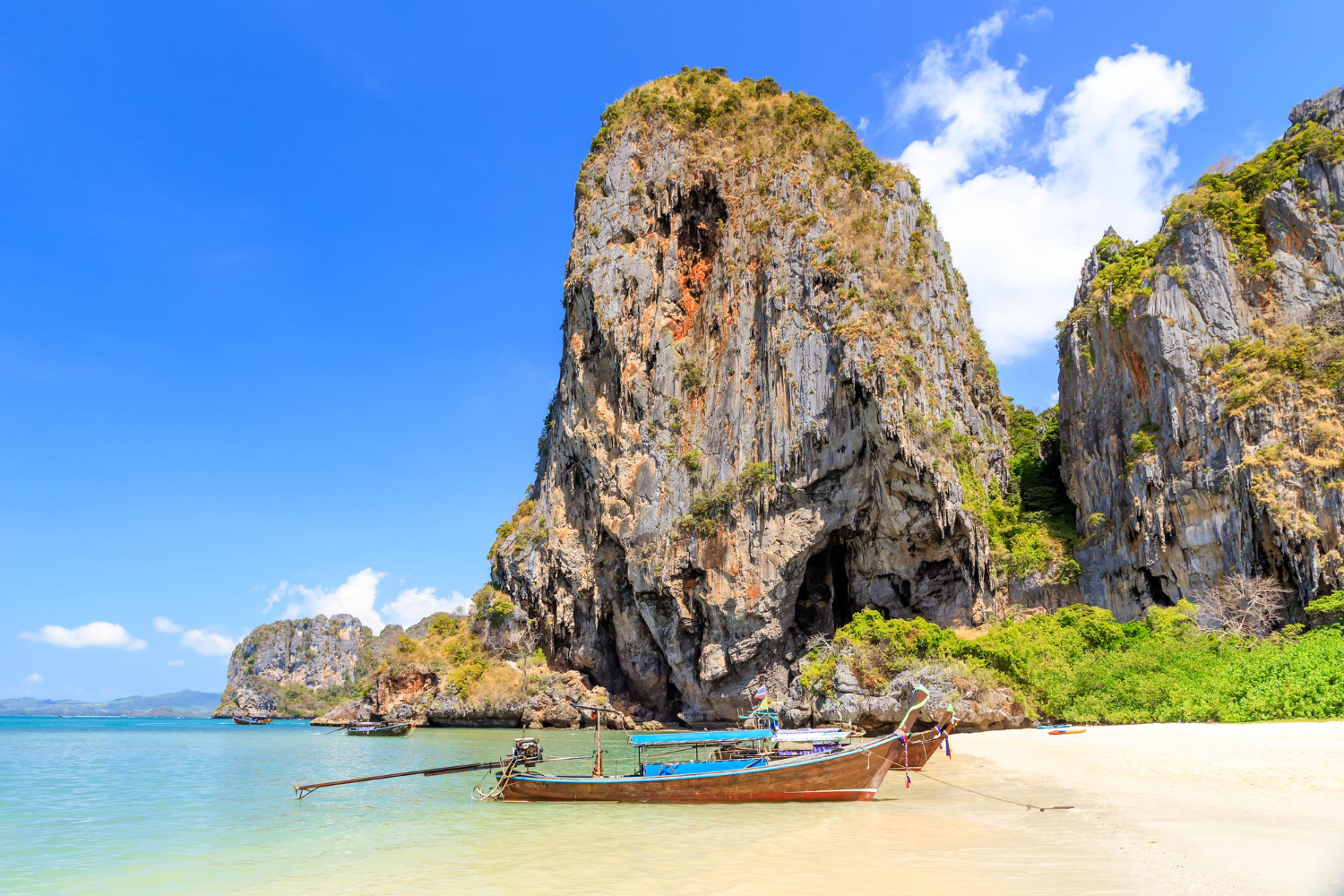
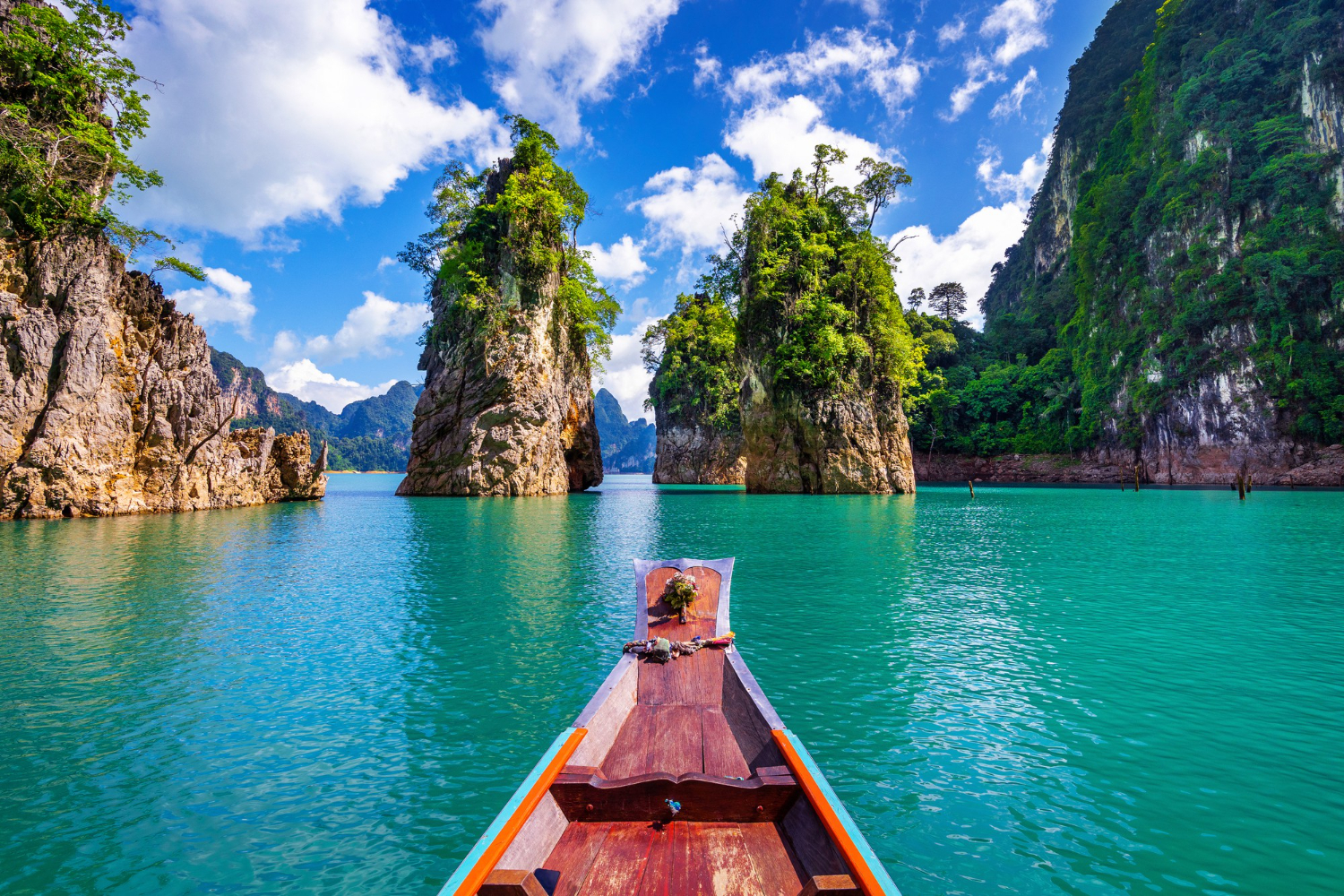
Krabi’s dramatic limestone karsts, emerald-green waters, and lush mangroves create some of Thailand’s most iconic landscapes. Railay Beach, accessible only by boat, is a top destination for rock climbers who come to tackle the towering limestone cliffs. Ao Nang serves as a convenient base for island-hopping tours to places like Koh Phi Phi, Hong Island, and Poda Island, known for their pristine beaches and snorkeling sites. The region also boasts hot springs, hidden lagoons, and national parks filled with dense jungles. Whether you choose to kayak through tangled mangrove forests, explore ancient caves adorned with stalactites, or simply lounge on powdery sand under the tropical sun, Krabi’s natural beauty offers endless discovery.
Koh Samui
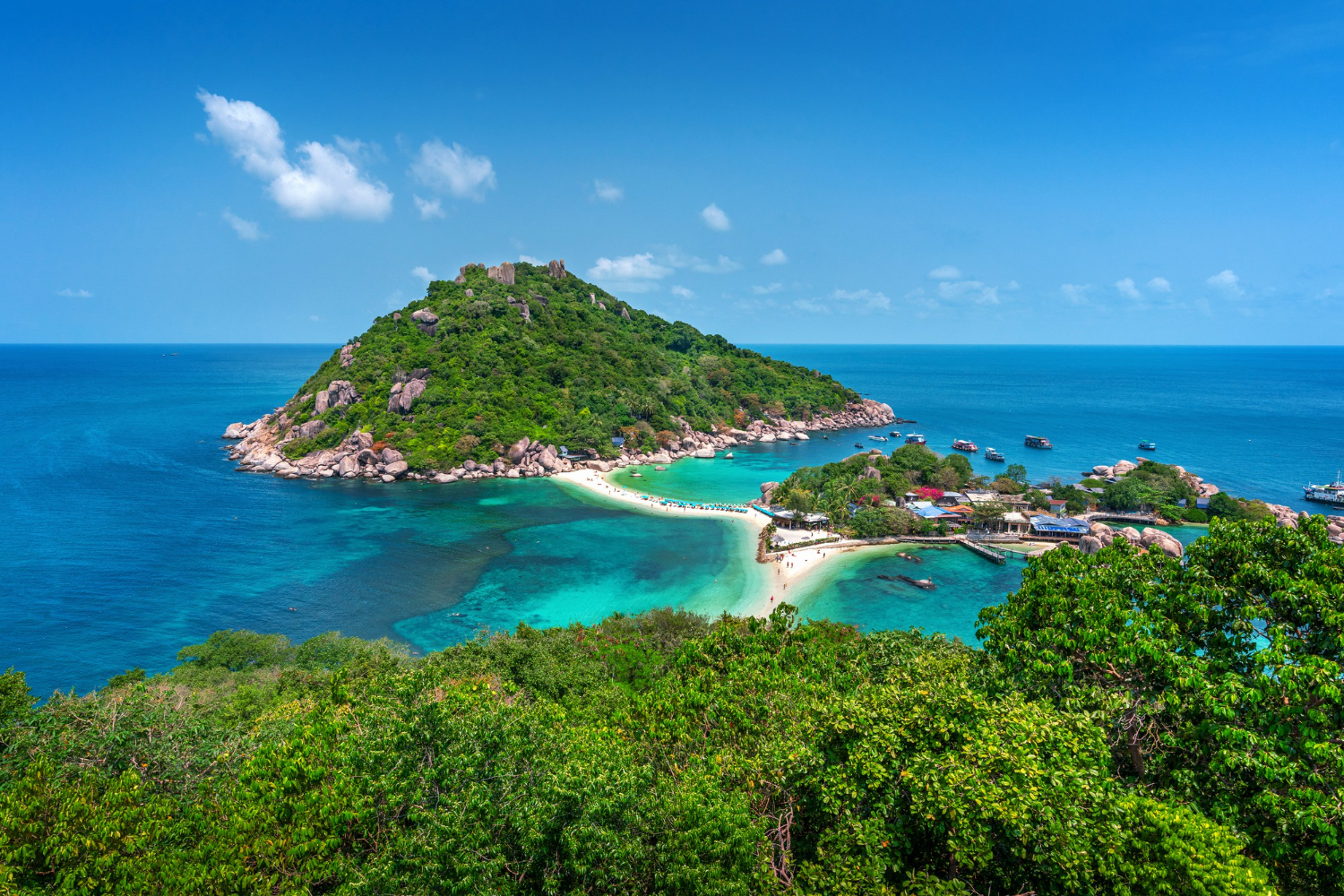
A renowned tropical getaway, Koh Samui is famous for its crystal-clear waters, coconut groves, and high-end resorts. Chaweng and Lamai beaches are the busiest with lively bars, clubs, and a range of accommodations, while quieter enclaves like Bophut or Mae Nam cater to those seeking a more relaxed pace. The island’s mountainous interior harbors waterfalls, hidden hiking trails, and viewpoints overlooking the coast. Spa treatments and wellness programs abound, making Koh Samui a go-to spot for yoga retreats and holistic therapies. Foodies can sample an array of local and international flavors at fisherman’s villages and beachside dining spots. With easy access to the Ang Thong Marine Park, Koh Samui also offers excellent opportunities for snorkeling, kayaking, and marine life encounters
Chiang Rai
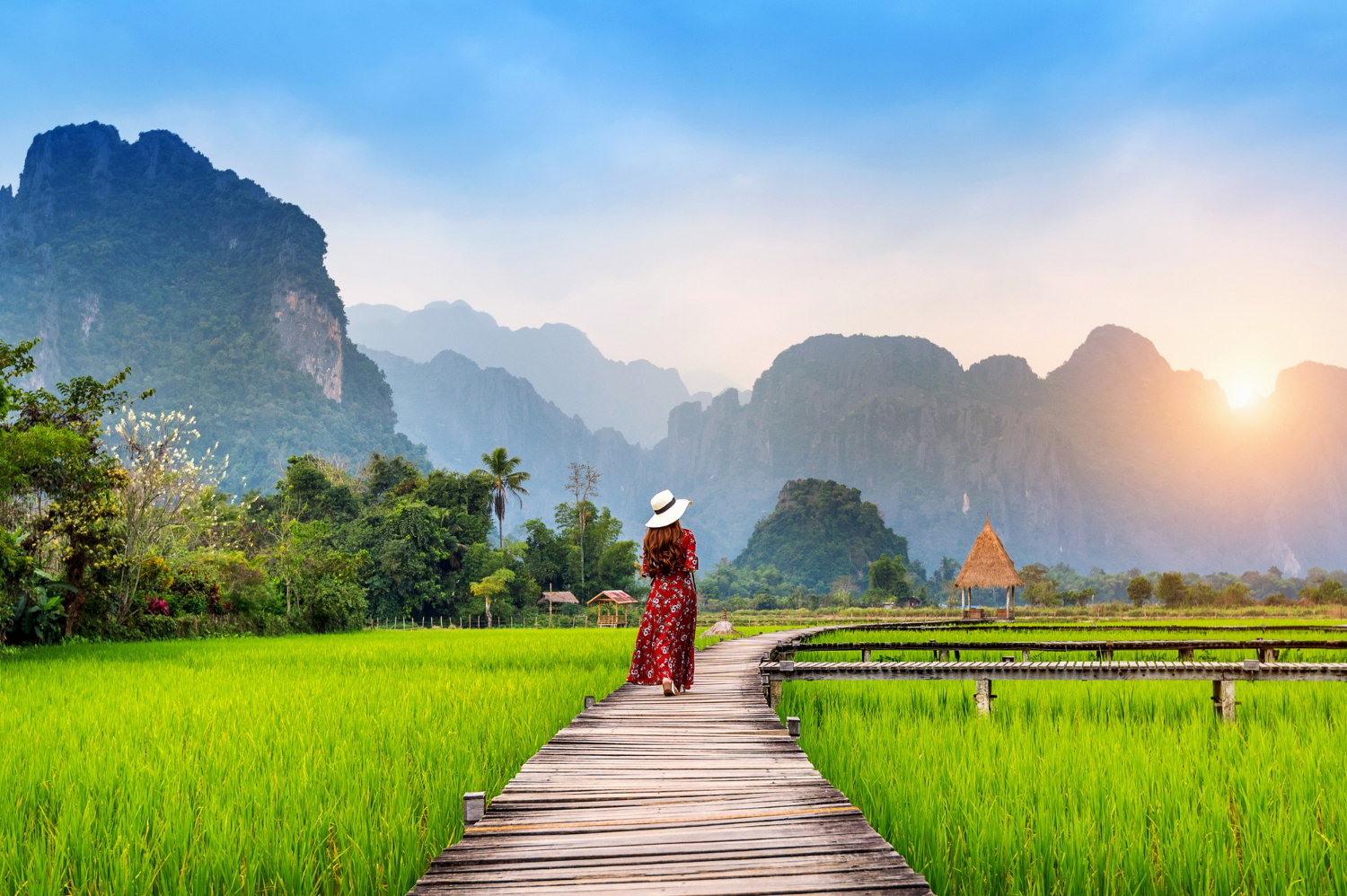
Peaceful and charming, Chiang Rai is often overshadowed by its sister city, Chiang Mai, yet it holds plenty of wonders for intrepid travelers. The region’s star attraction is Wat Rong Khun, also known as the White Temple—a contemporary piece of art in temple form, sparkling with mirrors and symbolic sculptures. Nearby, the Blue Temple (Wat Rong Seur Ten) adds another surreal architectural gem to the landscape. Chiang Rai also acts as a gateway to the Golden Triangle, where the borders of Thailand, Laos, and Myanmar converge. Travelers can learn about the region’s opium history at the Hall of Opium Museum, then journey into the highlands to meet different hill tribe communities. Though quieter than other Thai cities, Chiang Rai’s unique cultural tapestry and scenic vistas make it a rewarding destination.
Ayutthaya
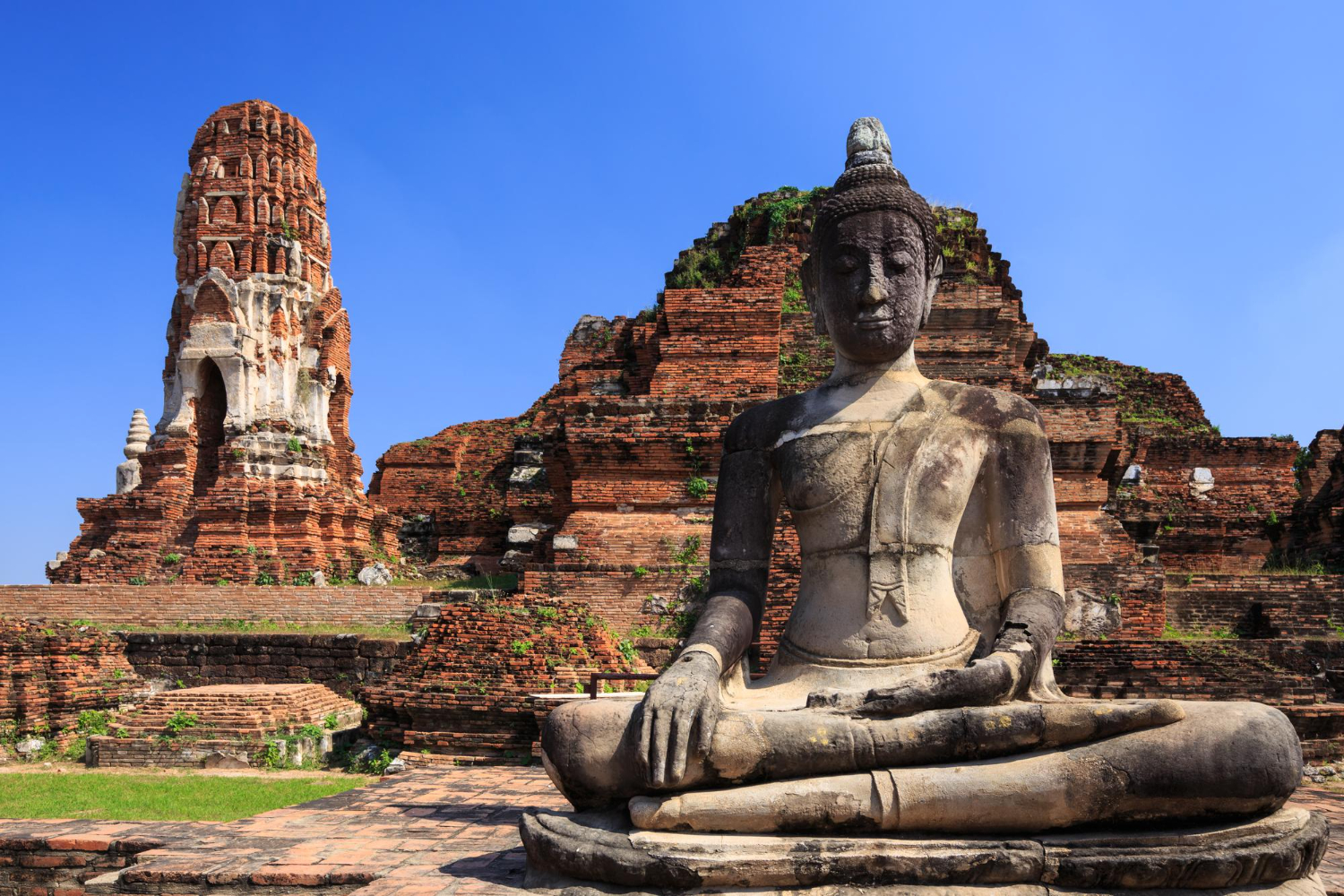
Once the capital of the Siamese kingdom, Ayutthaya brims with historic ruins that reflect its glorious past. The UNESCO World Heritage Site encompasses temple complexes, towering prangs, and large Buddha statues scattered around the old city. Iconic spots include Wat Mahathat—where a Buddha’s head is ensnared by tree roots—and Wat Phra Si Sanphet with its striking row of chedis. Exploring the area by bicycle or boat offers a slow-paced way to appreciate the centuries-old remnants. The nearby floating market and local restaurants serve up river prawns and other traditional dishes. With its combination of historical significance and atmospheric ruins, Ayutthaya provides a fascinating glimpse into Thailand’s former royal grandeur.
Sukhothai
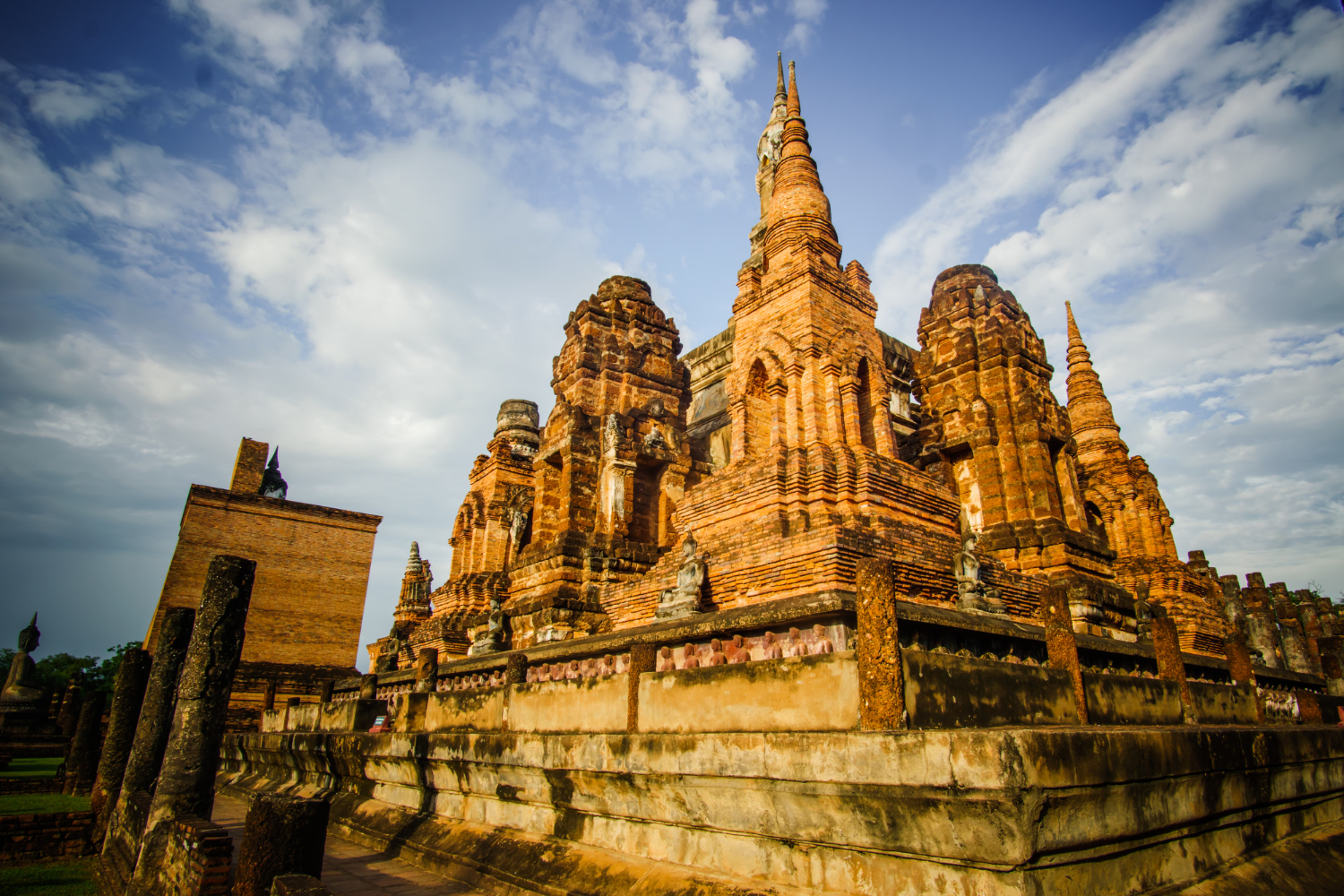
Another ancient capital and a cradle of Thai civilization, Sukhothai is treasured for its well-preserved UNESCO-listed historical park. Cycling along peaceful pathways takes you past reflective ponds, graceful Buddha images, and intricate temple columns dating back to the 13th century. Major attractions include Wat Mahathat, with a grand Buddha figure and lotus-bud chedis, and Wat Si Chum, known for a colossal seated Buddha. The relaxed environment makes it easy for visitors to linger among the ruins and absorb the site’s storied past. Beyond the historical park, the surrounding province boasts traditional handicrafts, local markets, and temples off the main tourist track, providing an in-depth cultural experience for history enthusiasts and curious travelers alike.
Kanchanaburi
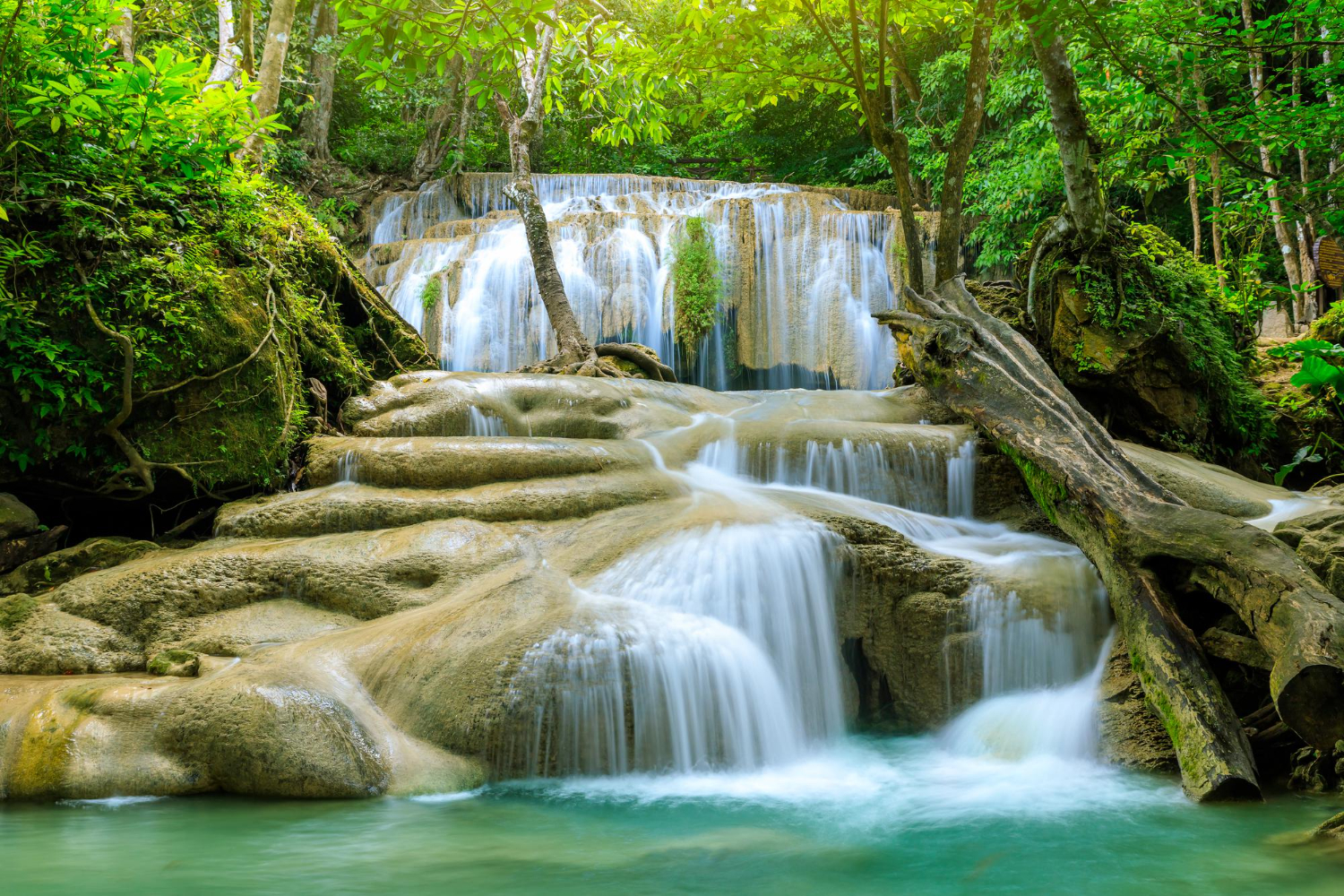
Famed for the Bridge on the River Kwai, Kanchanaburi tells a poignant chapter of WWII history, especially regarding the Thai-Burma “Death Railway.” Today, travelers can walk across the bridge, visit war museums, and pay respects at the Allied War Cemetery. Beyond its historical significance, Kanchanaburi charms visitors with picturesque riverfront guesthouses, floating restaurants, and serene mountain vistas. The surrounding area features natural attractions like Erawan National Park, revered for its multi-tiered waterfall and turquoise pools, and the Sai Yok waterfalls, surrounded by lush forest. Whether you’re interested in history or seeking to immerse yourself in nature, Kanchanaburi offers a moving and scenic stay.
Hua Hin
A seaside town with royal pedigree, Hua Hin has long been a favorite holiday spot for Thai royalty and affluent Bangkokians. Its beaches are family-friendly, and the city center features popular night markets where you can browse local crafts and feast on seafood. Sports enthusiasts will appreciate world-class golf courses, while those seeking relaxation can opt for upscale spas and stylish beach clubs. Hua Hin’s eclectic attractions include the artist village, vintage train station, and surrounding vineyards and waterfalls. With less of a party scene than other Thai beach destinations, Hua Hin appeals to visitors craving a calmer coastal ambiance yet still offers plenty of modern comforts.
Khao Lak
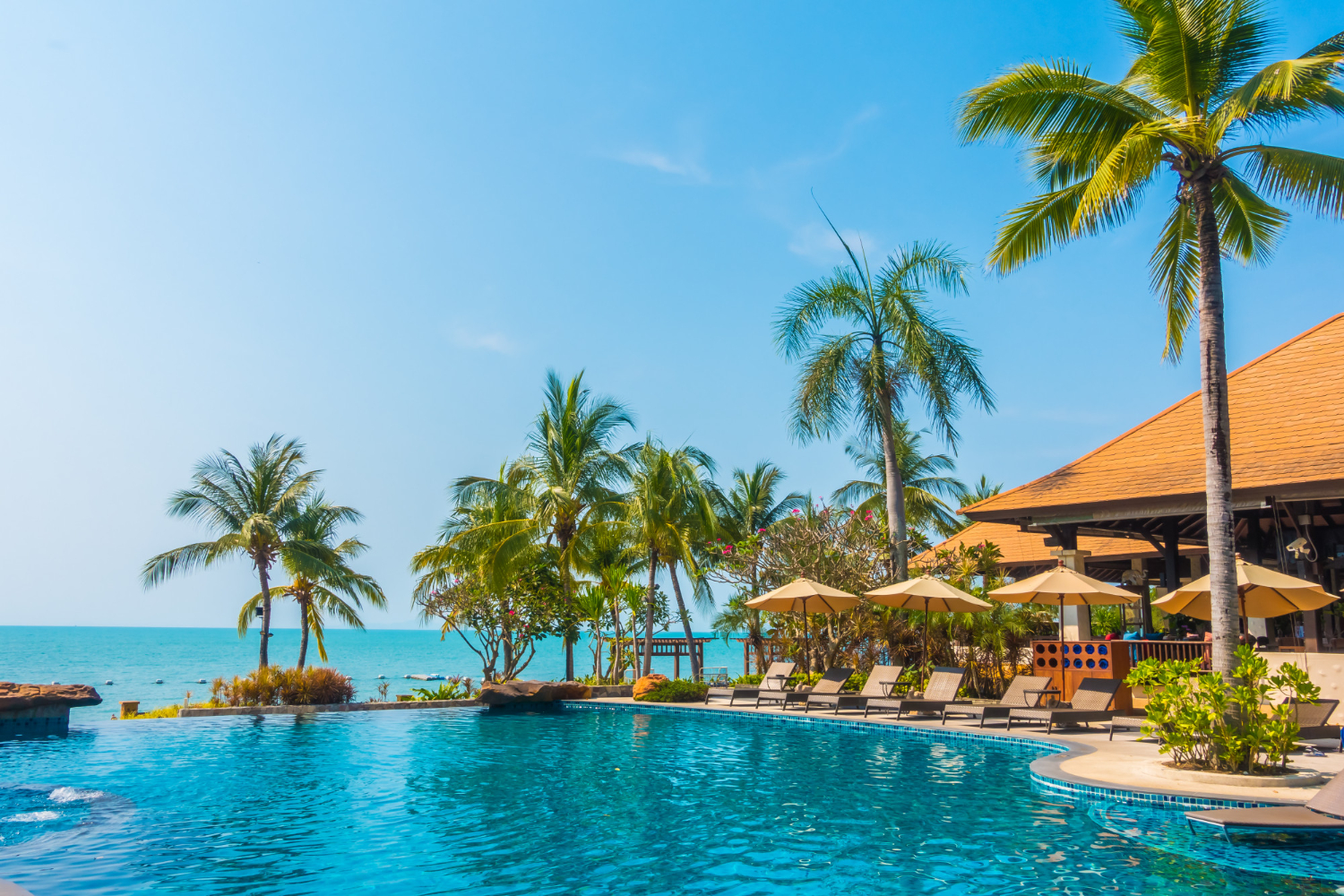
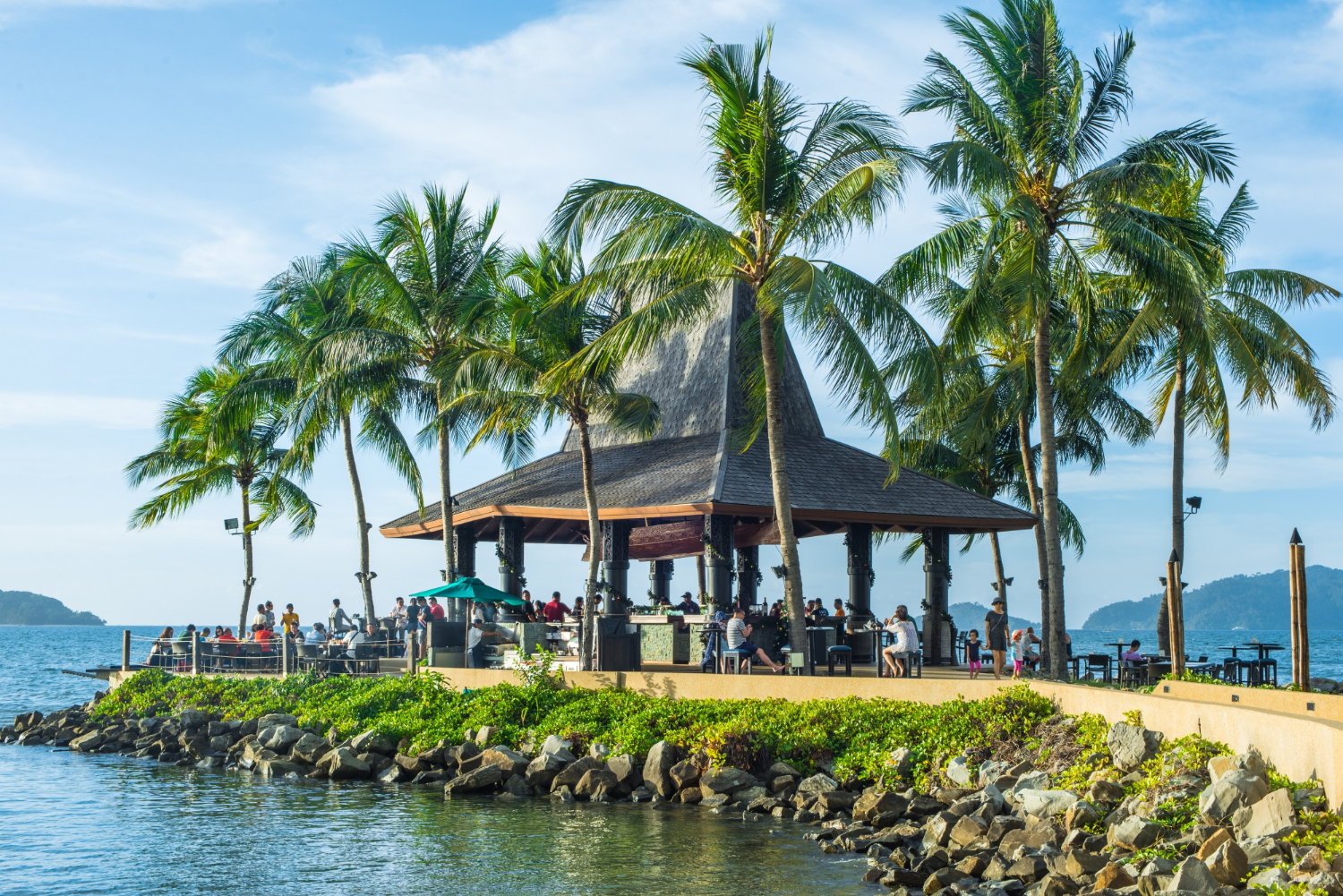
Located north of Phuket, Khao Lak is celebrated for its tranquil beachfront that stretches for miles and its easy access to prime diving and snorkeling sites around the Similan and Surin Islands. These protected marine parks boast crystal-clear waters, thriving coral reefs, and a chance to spot everything from sea turtles to reef sharks. Onshore, Khao Lak’s relaxed vibe makes it popular for families and couples looking for a quiet getaway, with resorts nestled amid swaying palm trees and low-key nightlife that often centers around beach bars or laid-back restaurants. The area also has national parks for trekking, waterfalls to discover, and jungle settings that showcase southern Thailand’s lush biodiversity.
Koh Chang
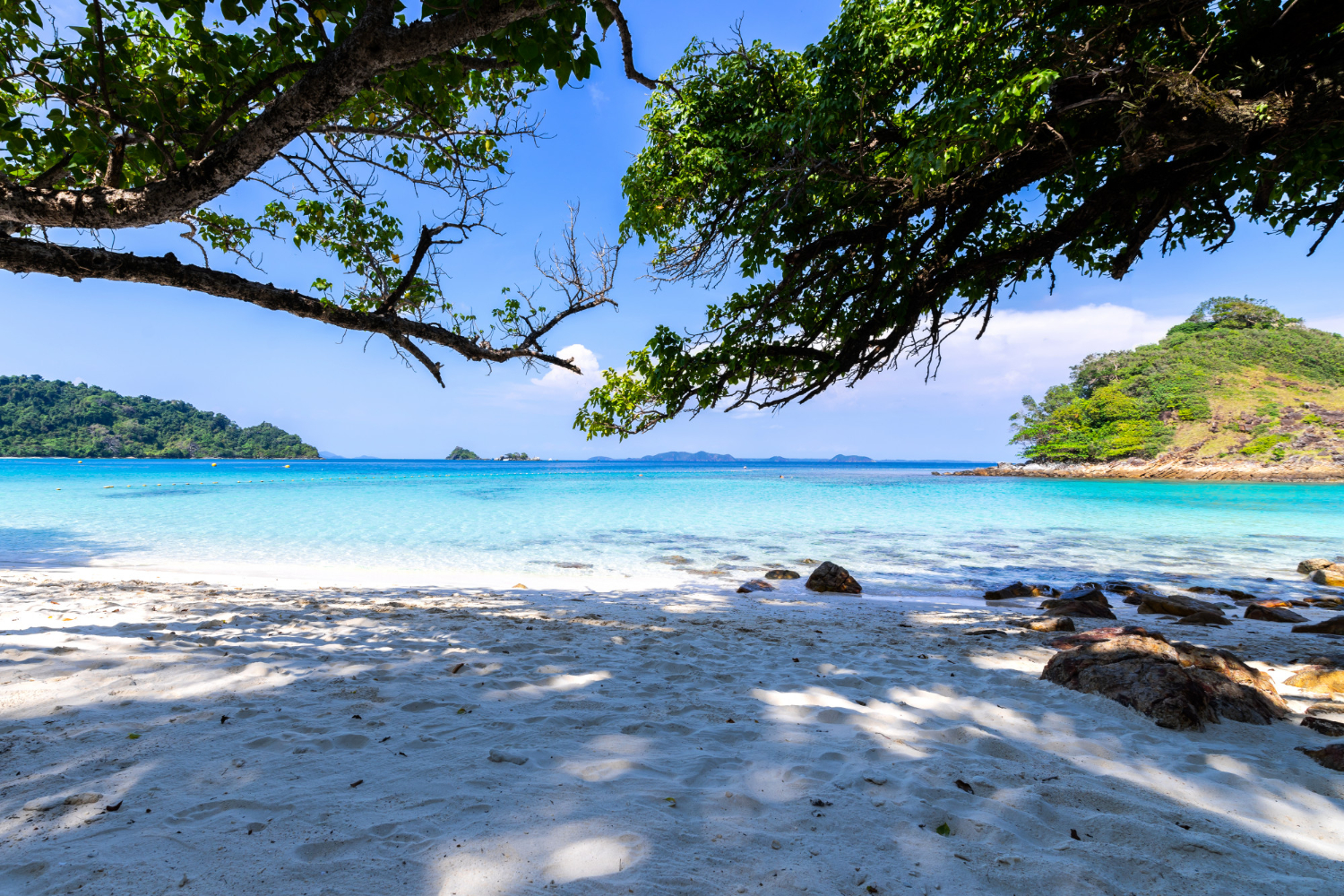
Part of the Mu Ko Chang National Park near the Cambodian border, Koh Chang is Thailand’s second-largest island but retains a relatively untamed feel. Rugged mountains, dense rainforests, and scenic waterfalls form the backdrop to its white-sand beaches. Popular spots like White Sand Beach offer a mix of bars, eateries, and shops, while locations like Lonely Beach attract backpackers seeking chilled-out vibes and budget accommodation. If you’re an adventure lover, you can go jungle trekking, zip-lining, or diving around nearby coral reefs. Koh Chang’s more subdued ambiance compared to Phuket or Samui makes it ideal for travelers looking to unwind and connect with nature.
Pai
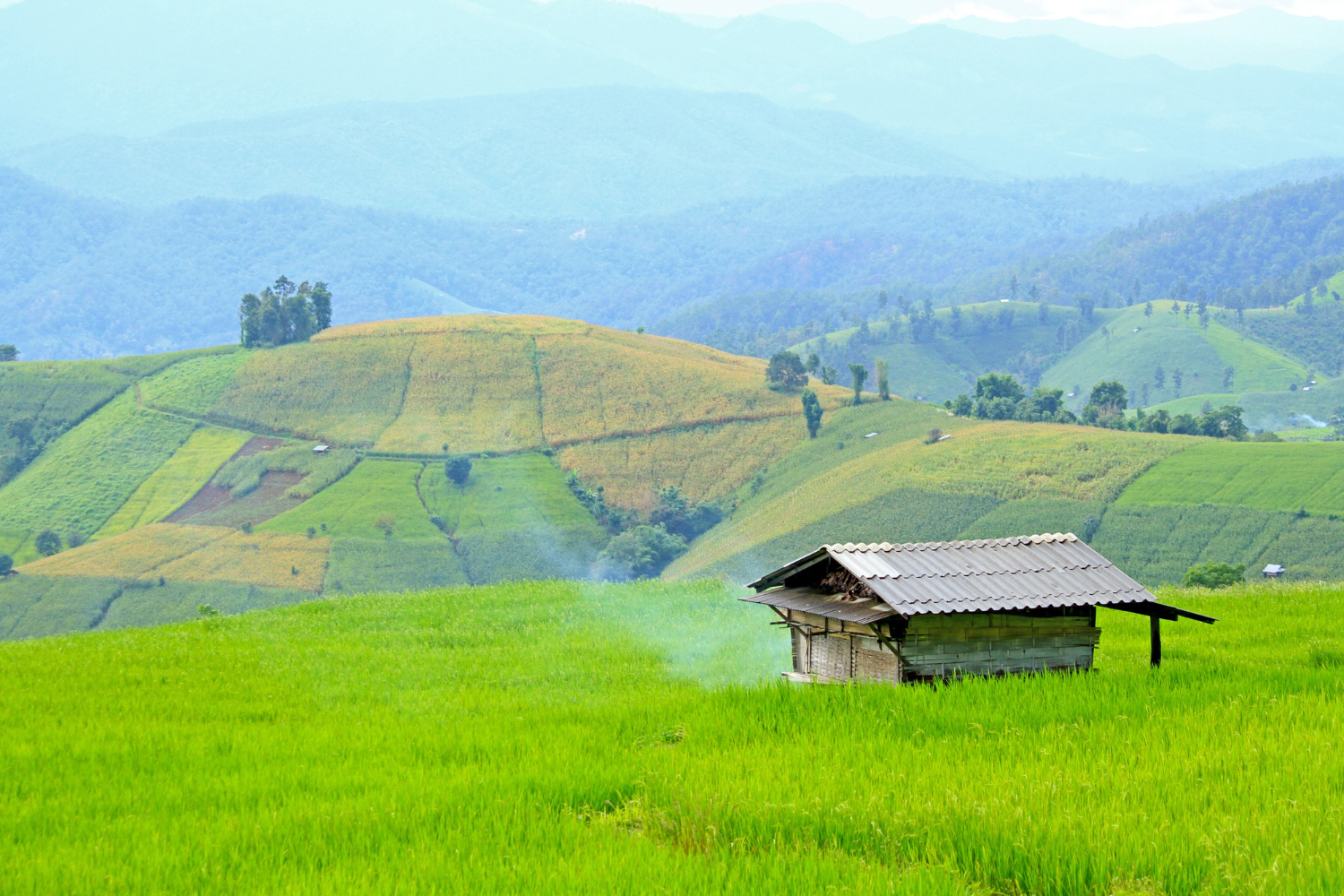
Tucked away in the mountains of Mae Hong Son Province, Pai has transformed from a sleepy market town into a hub for backpackers and free-spirited travelers. Its bohemian vibe is apparent in the small cafés, handicraft shops, and artisan markets lining its few main streets. The surrounding countryside is dotted with natural hot springs, waterfalls, and spectacular viewpoints like the Pai Canyon. Travelers can tour local hill tribe villages or try white-water rafting along the Pai River. By night, Pai’s walking street lights up with food stalls offering tasty treats such as pad thai, fruit shakes, and the occasional Western fusion bite. It’s a place where slow living meets scenic exploration, capturing the hearts of those seeking a laid-back retreat.
Koh Tao
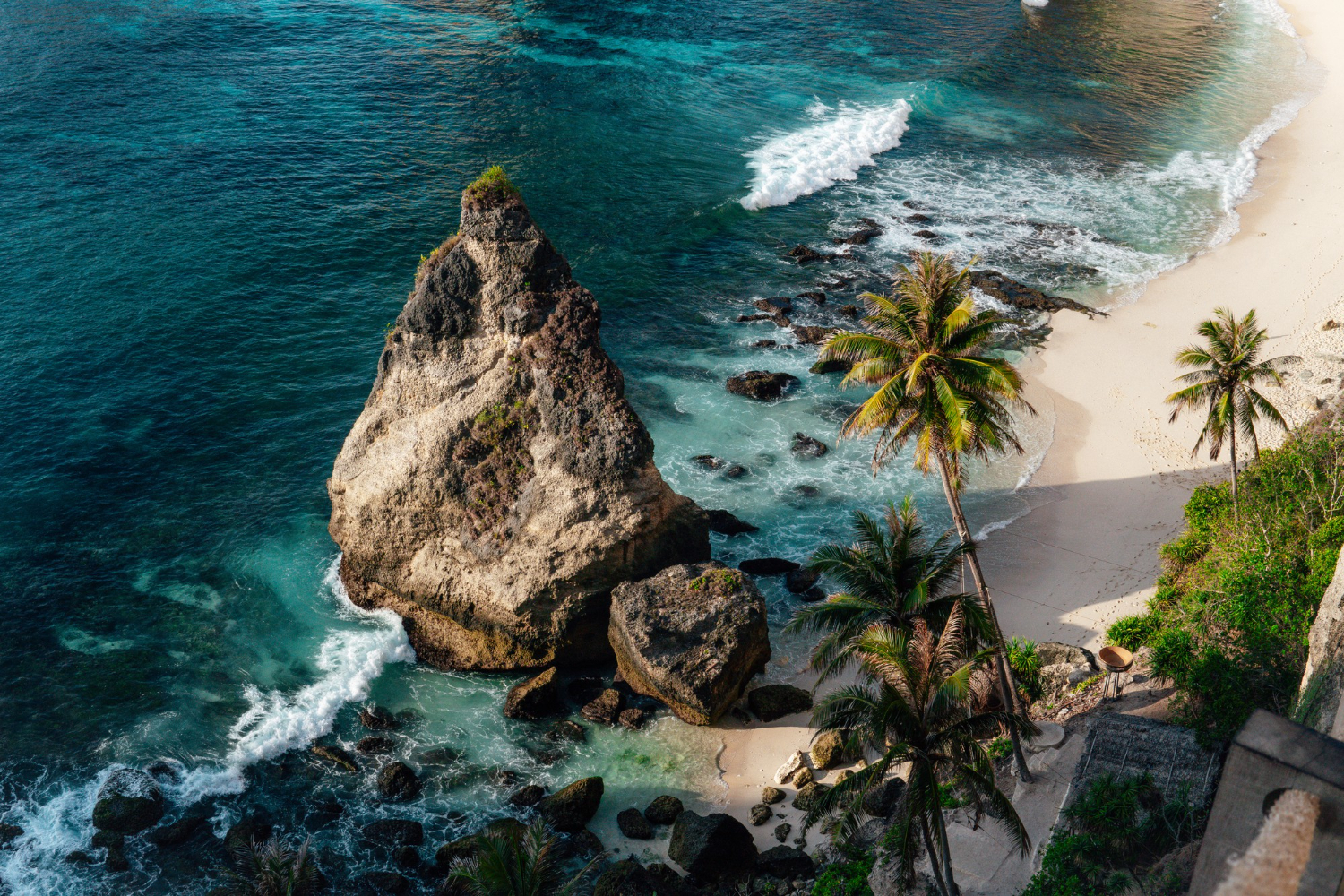
Dubbed “Turtle Island,” Koh Tao is a top choice for anyone aiming to learn scuba diving or to simply marvel at vibrant undersea life. Multiple dive schools cater to every level, from novices to advanced divers looking to explore deeper sites. The island itself is relatively small, with hilly terrain, hidden coves, and watchpoints that showcase panoramic ocean views. Sairee Beach is the social and commercial hub, featuring beach bars, restaurants, and shops for gear rentals. After dark, the bars come alive with music and fire shows, but the vibe remains more chilled compared to neighboring Koh Phangan. Whether you spend your days underwater or basking in tropical sunsets, Koh Tao is a paradise for ocean enthusiasts.
Koh Lanta
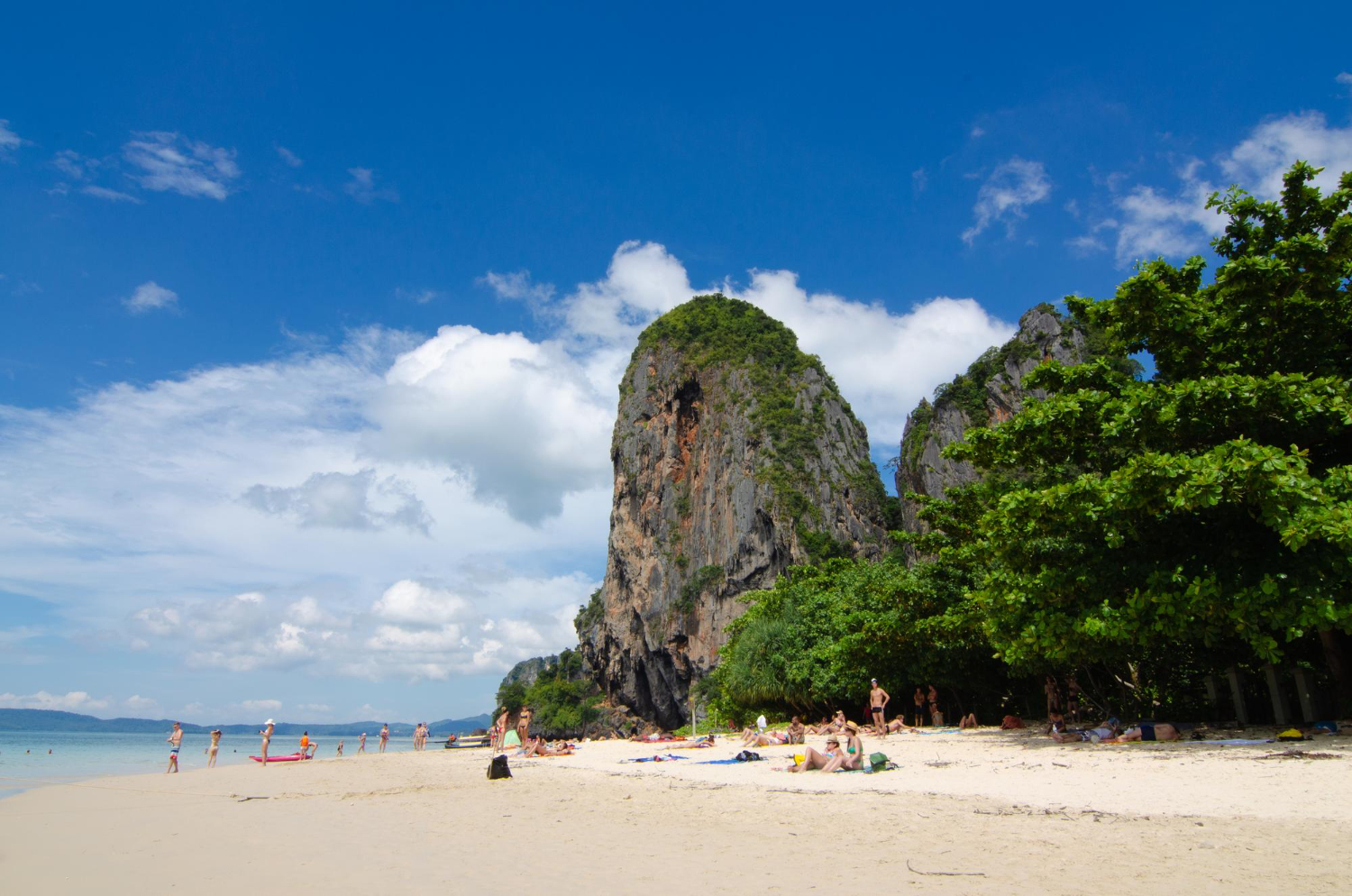
Known for its slower pace and family-friendly atmosphere, Koh Lanta is a cluster of islands in Krabi Province. The main island, Ko Lanta Yai, beckons with long sandy beaches perfect for sunset strolls, while the interior features mangrove forests and small Muslim fishing villages that add cultural depth to the visit. Scuba diving and snorkeling are popular, particularly around nearby Hin Daeng and Hin Muang—world-class sites for spotting manta rays. Koh Lanta’s laid-back restaurants and beach bars create a welcoming, low-key nightlife scene. Visitors can also venture into Mu Ko Lanta National Park to find hiking trails and a scenic lighthouse perched above dramatic cliffs.
Koh Phangan
World-famous for its monthly Full Moon Party at Haad Rin Beach, Koh Phangan offers far more than just all-night revelry. Beyond the party scene, travelers discover yoga retreats, detox centers, and secluded beaches like Bottle Beach or Thong Nai Pan, each with crystal-clear waters and tranquil coves. The island’s mountainous interior offers lush forests, waterfalls, and viewpoints reachable via hiking trails. For those wanting to balance adventure with relaxation, day trips include kayaking, snorkeling, or exploring local fishing communities. By night, the island lights up with laid-back beach bars—unless it’s Full Moon week, when Haad Rin transforms into a pulsing carnival attracting revelers from around the globe.
Nakhon Ratchasima (Korat)
Serving as a gateway to Thailand’s northeast (Isan), Nakhon Ratchasima is both historically and naturally rich. It’s home to Khao Yai National Park, a UNESCO-listed biosphere reserve brimming with wildlife, hiking routes, and lush landscapes. Within the city, you’ll find a mix of traditional markets and modern malls, while nearby villages maintain strong local traditions, including silk weaving and Isan culinary specialties. The Khmer-era Phimai Historical Park is a lesser-known but splendid archaeological site that predates Cambodia’s Angkor Wat. This mixture of cultural heritage and natural wonder makes Korat a hidden gem for travelers seeking authenticity beyond Thailand’s usual tourist routes.
Trang
Often overshadowed by its more famous neighbors in southern Thailand, Trang province is a haven of under-the-radar island escapes, limestone cliffs, and clear waters ideal for diving or snorkeling. Inland, the provincial capital of Trang city features an old railway station, a bustling morning market known for dim sum breakfasts, and Sino-Portuguese architecture reminiscent of Phuket Old Town. Offshore, islands like Koh Mook, Koh Kradan, and Koh Ngai showcase pristine beaches, emerald caves, and colorful coral gardens. The relative lack of tourist crowds here creates a peaceful environment that highlights traditional southern Thai life and hospitality, making Trang an appealing choice for those wanting to explore new horizons.
Udon Thani
Located in the country’s northeast, Udon Thani merges modern development with Isan culture and history. The city is famed for its proximity to Ban Chiang, a UNESCO World Heritage archaeological site where artifacts dating back thousands of years have been unearthed. Within the city, popular night markets offer a taste of Isan cuisine, known for its spicy papaya salad (som tam), sticky rice, and grilled meats. Udon Thani also acts as a transit point for venturing further into Laos or for exploring other Isan provinces rich in natural attractions and unique traditions. Despite its modern malls and growing urban sprawl, Udon Thani retains a distinctly local feel, providing an authentic window into a lesser-visited region of Thailand.
Frequent Asked Questions
| Country Facts & Figures | |
|---|---|
| Country Name: | Kingdom of Thailand |
| Prime minister: | Srettha Thavisin |
| Population: | 68,863,514 |
| Capital: | Bangkok |
| Cities: | Bangkok, Chiangmai |
| Area: | 198,115 sq mi (513,120 sq km). |
| Highest point: | Doi Inthanon 2,565 metres (8,415 ft) |
| Languages: | Thai, Isan, Kam Mueang, Pak Tai |
| Religions: | 94.50% Buddhism, 4.29% Islam, 1.17% Christianity, 0.03% Hinduism, 0.01% Unaffiliated |
| Ethnic groups: | 34.1% Central Thai, 24.9% Khon Isan, 9.9% Khon Muang, 7.5% Southern Thai, 14% Thai Chinese, 12% Others |
| Time: | UTC+7 (ICT) |
| Country code: | +66 |
| Currency: | 1USD = 35 Baht (฿) (THB) |
It pays to keep in mind that seasons vary for different areas of the country. There are broadly three seasons in most of Thailand: hot, cool, and rainy.
The hot season in Central Thailand and Northeast Thailand runs from February to June. The rainy season is between June and October, and the cool season makes up the remaining months of October to February. Bangkok, Lopburi, Kanchanaburi, and Ayutthaya are common destinations in Central Thailand.
Northern Thailand – home to Chiang Mai, Chiang Rai, and Pai – sees the hot season between February and April, while the rainy season runs from May to September. The remaining months are the cool season.
In the south of Thailand, there are seasonal variations depending on the coast. Additionally, the southern provinces only really have two seasons: wet and dry. The Gulf coast is dry between January and August. The dry season on the Andaman coast is from November to March.
GMT + 7 hours.
Thai Airways, Bangkok Airways, Nok Air, Air Asia and Vietjet offer domestic flights to all corners of Thailand and to neighbouring countries.
Thailand has extensive transport network throughout the country and the roads are in general good condition. Be aware though if you intend hiring car and driving yourself that Thailand left side traffic and wheel is on the right. In Thailand you can conveniently travel by train or bus. The train network works well and is currently going through some major upgrades particularly in the north. The Thai busses are pretty comfortable though they can be freezing cold. Make sure to bring along warm layer if you are taking a longer air-con bus ride.
Thailand has it all when it comes to accommodation. There is no shortage of choice. You will find all from backpackers lodging to ultra lux and the usual international brands. There are lots artsy design and boutique properties that make wonderful getaways in paradise like locations. Discovery team will be glad to recommend some good options for your stay in Thailand.
The official language is ‘Thai’ with numerous regional and minority languages and dialects. English is spoken at all major hotels. Basic English is also spoken widely throughout the country, and travelers will almost always find someone who will at least understand and speak a few words of English. Discovery DMC provides guiding services in English, German, French, Italian, Spanish, Russian, Japanese, Thai and Chinese.
Use only bottled or boiled water for drinking, brushing teeth or making ice. Unpasteurised milk should also be boiled, although pasteurised or homogenised milk is available. Tinned or powdered milk is safe as long as it is reconstituted with sterile water. Beware of dairy products that may have been made with unboiled milk. Stick to meat and fish that have been well cooked, preferably served hot, but not reheated. Avoid raw vegetables and unpeeled fruit.
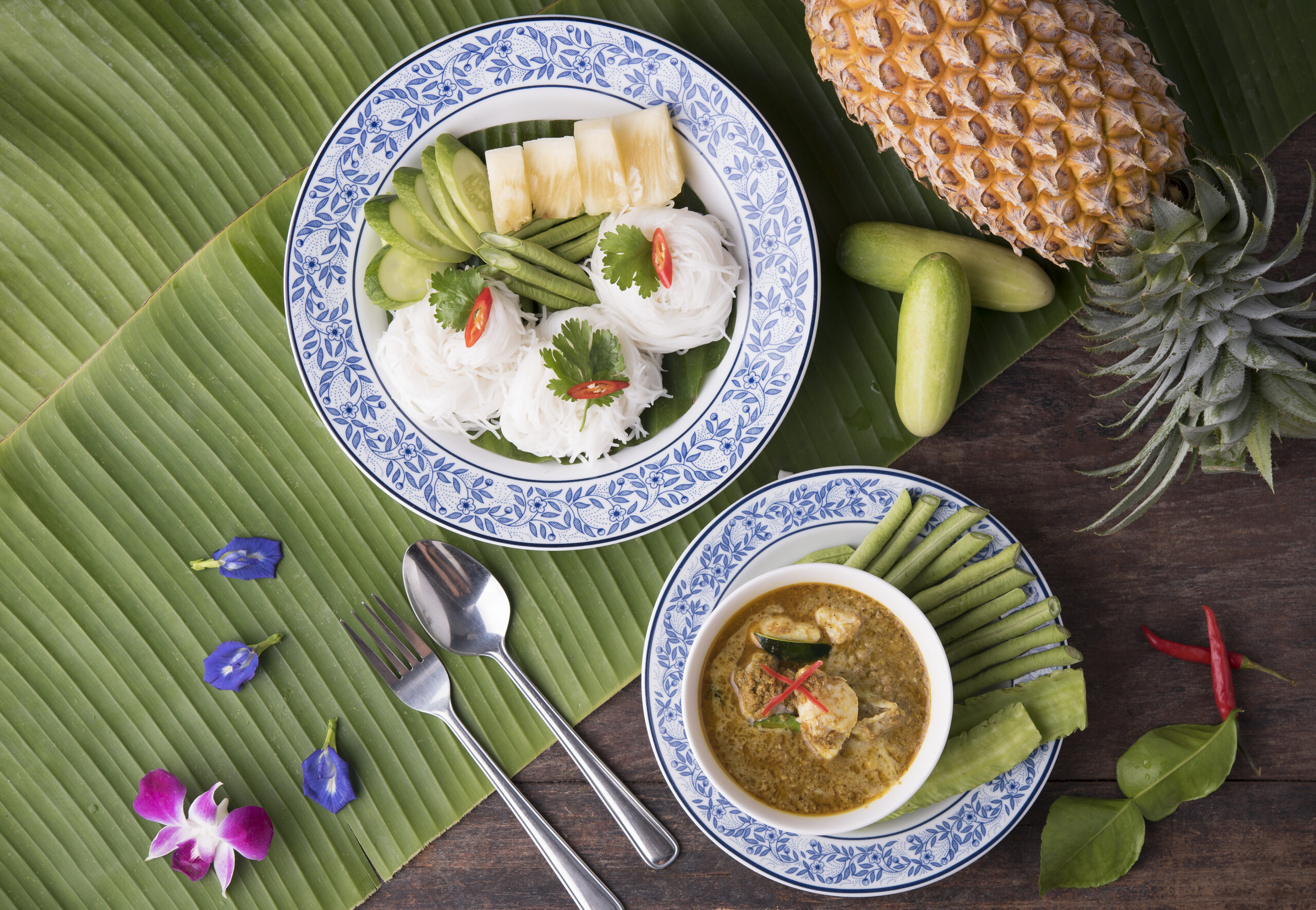
Thai food is traditionally fairly hot and spicy, but most tourist restaurants tend to tone down the heat for the more fragile Western palate. Most Thai food is prepared with fresh ingredients such as lemon grass and coriander and rice is commonly eaten with most meals. Popular fruits are papaya, jackfruit, mangosteens, rambutans, pomelos (similar to grapefruits) and, above all, durians, which farangs (foreigners) either love or hate. The thorny fruits have a rather malodorous scent which has even resulted in many hotels banning them from their premises.
Excellent food can be found at the stalls of the many street vendors around the country as well as top-notch eateries. There are also many Asian and European restaurants throughout the major cities and smaller towns.
All travelers to Thailand require a valid passport with minimum 6 months remaining. Depending on nationality most travellers get Thailand visa on arrivals. Some are required to apply for Visa on Arrival or pre-arranged visa from Thailands consulates especially for longer stay.
Following covid pandemic Thailand immigration and visa procedures have changed and are frequently revised. Contact your nearest Thailand embassy to check latest updates on entry requirements.
Baht (THB; symbol ฿) = 100 satang. Notes are in denominations of ฿1,000, 500, 100, 50, 20 and 10. Coins are in denominations of ฿10, 5, 2 and 1, and 50, 25, 10, 5 and 1 satang.
The import and export of local currency is limited to ฿50,000. The import and export of foreign currency is unlimited, but amounts over US$20,000 must be declared.
Foreign currencies can be exchanged at banks (which have the best rates), hotels (which charge high commissions) and bureaux de changes can be found in larger towns (generally open 0800-2000). Outside large towns and tourist areas, high value notes may be difficult to exchange, so visitors are advised to carry small change.