Gastronomic Getaways: Tasting Local Flavors Around the Globe
Food isn’t just about sustenance—it’s an invitation to explore the cultural tapestry of a place through its flavors, ingredients, and culinary traditions. No matter where your travels take you, embracing local cuisine is often the quickest way to understand the history, values, and day-to-day life of a region. From sipping rich hot chocolate in a cozy European café to slurping bowls of noodle soup on a busy Southeast Asian street corner, every culinary moment offers a glimpse into the local story.
Why Food Tourism Matters
Gastronomic getaways resonate with travelers because they add depth to any journey. Trying authentic dishes not only satisfies your taste buds but also helps you form a genuine connection with the local culture. When you sample regional specialties, you’re often partaking in recipes passed down through generations. You might discover that certain spices were once prized commodities in ancient trade routes, or that family farms have cultivated the same variety of fruits and vegetables for centuries.
Starting with Street Food
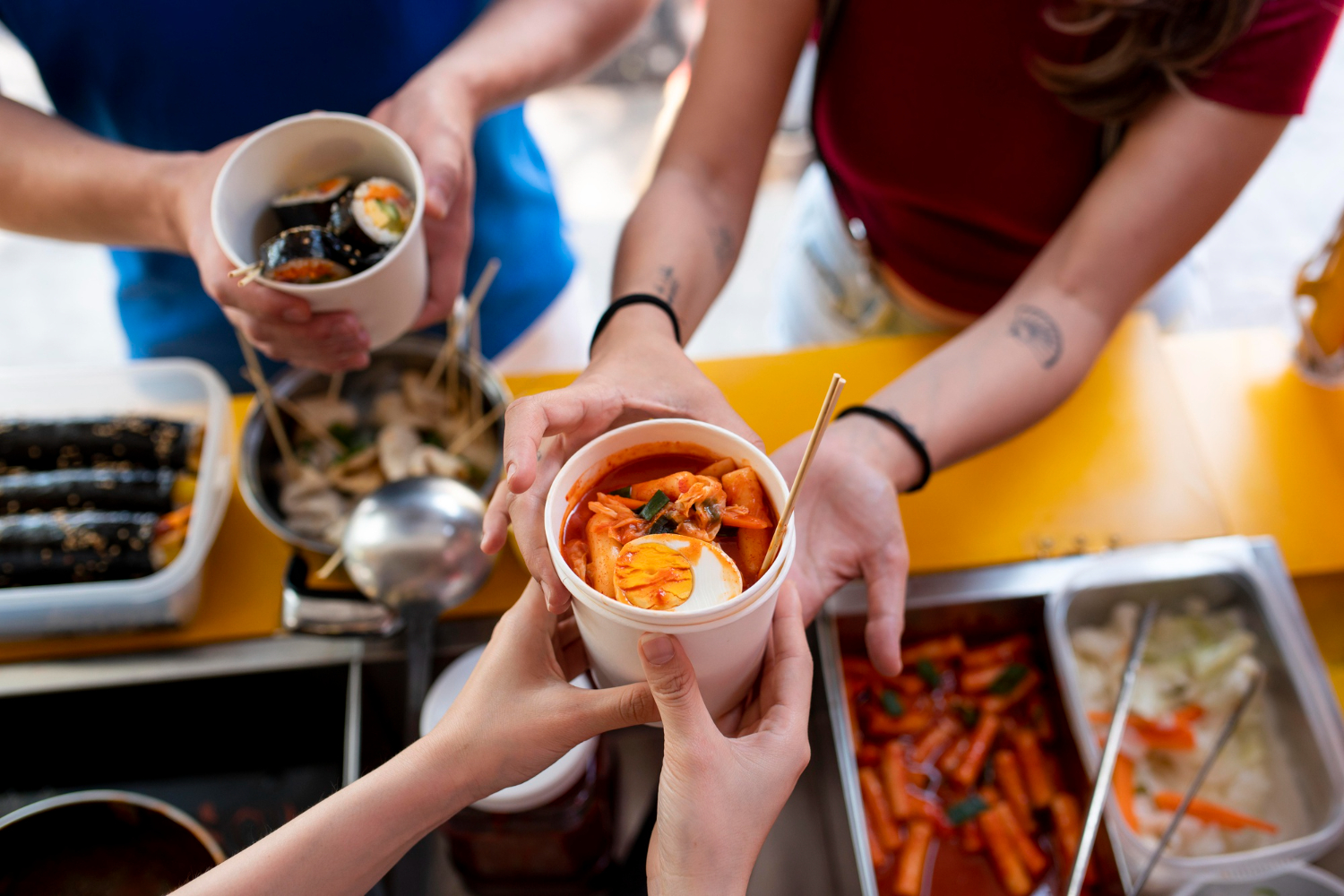
One of the best ways to dip your toe into local flavors is by exploring street food. Street stalls offer a snapshot of culinary life—chefs or vendors prepare food right before your eyes, typically using fresh, seasonal ingredients. In Bangkok, you can find grilled meats, spicy papaya salads, and piping-hot bowls of noodle soup at almost any hour. In Mexico City, street vendors serve up tacos loaded with meats, salsa, and fresh cilantro, providing a satisfying—and budget-friendly—introduction to Mexican cuisine. These local eats showcase the region’s staple ingredients, giving you a peek at what people enjoy every day.
Delving into Markets and Food Halls
Beyond the street stalls, local markets are often the heartbeat of a community’s dining scene. In markets and food halls, you can chat with producers, learn about unique ingredients, and get a feel for the region’s seasonal rhythms. In Florence’s Mercato Centrale, for example, you’ll find stalls selling everything from robust olive oil to creamy pecorino cheese—all key components in Tuscan dishes. Meanwhile, a visit to a Moroccan souk dazzles the senses with colorful pyramids of spices like saffron, cumin, and turmeric. By wandering through these vibrant spaces, you’ll see firsthand what locals cook at home, making it easier to appreciate each dish at a restaurant later on.
Embracing Home-Cooked Traditions
If you want to take your immersion to the next level, consider taking a cooking class or seeking out home dining experiences. Many travelers rave about how much they learn from local cooks, whether they’re rolling fresh pasta dough in an Italian village or mastering the art of folding dumplings in China. Participating in these hands-on workshops builds more than just cooking skills—it fosters meaningful connections, as you bond with fellow travelers or a gracious host who eagerly shares family recipes. It’s also a wonderful opportunity to take the flavors home with you, transforming your kitchen into a global culinary hub.
Sampling Regional Specialties
Every region has its hallmark dishes worth seeking out. In Spain, sample tapas in a bustling bodega—try patatas bravas, jamón ibérico, and freshly baked bread drizzled in olive oil. In Japan, sushi and ramen are just the tip of the iceberg; look for lesser-known specialties like okonomiyaki or yakitori in casual neighborhood spots. Southeast Asia’s culinary delights range from Malaysia’s savory laksa to Vietnam’s delicate banh cuon. By exploring these recipes, you’ll quickly discover how geography, history, and local culture fuse to create distinct gastronomic identities.
Eating Like a Local
To truly embrace a city’s food scene, pay attention to where locals eat. Instead of heading straight for highly advertised tourist restaurants, look for spots bustling with residents on their lunch breaks or families enjoying weekend meals. Ask people you meet about their favorite eateries, or simply follow the longest line and see what everyone’s ordering. It might feel daunting to navigate a foreign menu or try dishes you’re unfamiliar with, but stepping outside your comfort zone can lead to unforgettable culinary adventures.
Bringing the Experience Home
A satisfying gastronomic journey isn’t just about what you eat abroad—it’s also about what you take with you when the trip ends. Bringing home a bottle of a favorite sauce, local spices, or a newfound technique can help you relive those travel memories in your own kitchen. Sharing these dishes with friends and family allows you to recount your travel tales through flavor, perhaps igniting their interest in venturing out on their own food-focused trips.